
Actualités
Actualités

Why Modern Amenity Standards in Canadian Commercial Real Estate Start in the Restroom
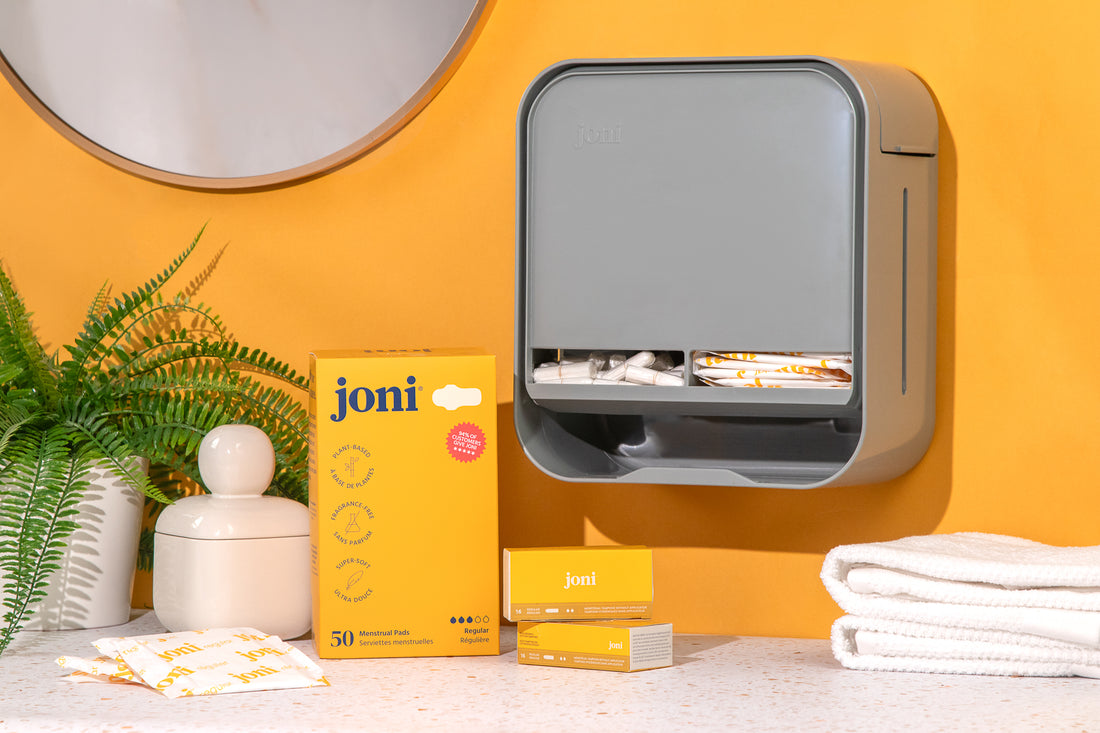
Executive Summary & Key Takeaways (TL;DR) BOMEX 2026 Connection: joni proudly sponsored BOMEX 2026 in Ottawa under the theme "Timbers to Towers," leading conversations on modernizing building amenities for Canadian commercial towers. The New Washroom Standard: Free-vend, organic period care has shifted from an optional perk to an essential building amenity directly driving tenant satisfaction and return-to-office engagement. ESG & BOMA BEST Alignment: Providing accessible period products supports GRESB social metrics, equity criteria, and BOMA BEST certification benchmarks. Legislative Mandates: Meets federal requirements under the Canada Labour Code for federally regulated workplaces and aligns with expanding provincial guidelines. Operational Efficiency via Smart Tech: joni’s Model V dispenser solves custodial challenges using automated inventory tracking, refill reporting, and smart dispensing delays that cut product waste by up to 40%. Sponsoring BOMEX 2026: Why Accessible Period Care Belongs in Commercial Real Estate At BOMEX 2026 in Ottawa, commercial real estate leaders gathered under the inspiring theme "Timbers to Towers." Honouring Bytown’s 200-year history alongside BOMA Ottawa’s 50th anniversary, the conference highlighted how Canadian building infrastructure and tenant standards continually evolve to meet human needs. As an official sponsor of BOMEX 2026, joni took the stage to champion an essential, yet historically overlooked, building standard: accessible period care in commercial washrooms. Key Takeaway from BOMEX Discussions: Across conversations with Property Managers, Asset Directors, and General Managers, we encountered strong engagement and curiosity. Many leaders noted that while they had never previously evaluated period care as a primary building amenity, they immediately recognized its natural alignment alongside foundational supplies like hand soap and paper towels. Providing free-vend period care is no longer viewed merely as a progressive gesture—it has become a practical operational benchmark that elevates property perception, tenant retention, and operational excellence. 3 Core Drivers Transforming Commercial Washrooms into 2027 Commercial building owners and facility executives face shifting tenant expectations and stricter regulatory landscapes. Three macro trends are driving the adoption of period care programs across Canadian office towers: Tenant Retention & Return-to-Office As workplace leaders focus on encouraging return-to-office, removing everyday friction in high-traffic washrooms directly elevates occupant satisfaction scores. ESG & BOMA BEST Standards Offering premium, sustainable period products satisfies GRESB social benchmarks and contributes toward BOMA BEST waste-reduction goals. Regulatory Compliance Fulfills federal mandates under the Canada Labour Code and prepares private commercial properties for emerging provincial health guidelines. Solving Facility Challenges with Smart Technology: The Model V Dispenser Historically, property management teams hesitated to introduce free-vend period care due to three major concerns: uncontrolled product waste ("sweeping"), unpredictable inventory consumption, and added custodial burden. joni engineered the commercial-grade Model V dispenser specifically to eliminate these operational barriers through smart technology and automated reporting. Facility Challenge Traditional Dispenser Issue joni Model V Smart Solution Product Waste / Hoarding Users clear out free products all at once ("sweeping"). Anti-Sweeping Timed Delays prevent bulk grabs while maintaining steady availability. Inventory Management Unpredictable stockouts require manual bathroom audits. Automated Usage Tracking alerts facility managers when refills are required. Custodial Workload Staff spend unnecessary hours checking empty dispensers. Low-Touch Execution integrates seamlessly into routine cleaning schedules. Recommended Reading: 3 Janitorial Trends Facility Managers Need to Know in 2026 → Operational Roadmap: Implementing Turnkey Period Care Across Your Portfolio Transitioning your commercial portfolio to an automated, free-vend period care model requires zero disruption to daily building operations. Here is how leading Canadian property management teams roll out joni: Step 01 Needs & Footprint Analysis Evaluate building floor counts, occupant density, and washroom layouts to establish precise dispenser requirements. Step 02 Model V Deployment Deploy commercial-grade, battery-operated units with zero electrical rewiring needed. However, the Model V also contains components to be hard wired if preferred. Step 03 Automated Restocking Supply facility staff with organic, bulk-packaged refills built for maximum custodial efficiency. Frequently Asked Questions (Commercial Facility Management) Why should property managers provide free-vend period care in commercial office towers? Providing free-vend period care elevates tenant satisfaction, supports return-to-office initiatives, advances ESG and BOMA BEST social scores, and ensures compliance with Canadian workplace equity guidelines (including the Canada Labour Code). How does the joni Model V dispenser prevent product waste and sweeping? The Model V dispenser utilizes smart dispensing delays that introduce a timed mechanism between dispenses. This mechanism prevents individuals from emptying the unit all at once while ensuring continuous access for all building occupants, reducing product waste by up to 40%. How does smart tracking assist janitorial and facility management teams? Smart inventory tracking provides facility directors with real-time stock reporting. This eliminates the need for custodial teams to manually inspect dispensers during every shift, saving labour hours and streamlining stock replenishment. Are joni products compliant with commercial ESG and zero-waste targets? Yes. joni products contain ethically sourced materials, including organic cotton and viscose from organic bamboo. They're third-party tested for toxins, free from elemental chlorine, and unscented. Tampons are 100% compostable where facilities exist. Wrappers are compostable and packaging is recyclable.
Lire la suite